
Brand Activations That Drive Real Engagement
- shivanshpathak0001
- Jun 13
- 3 min read


In a world where consumers are exposed to thousands of marketing messages every day, capturing attention has become increasingly difficult.
Traditional advertising still plays an important role, but attention alone is no longer enough.
Modern consumers want interaction.
They want participation.
They want experiences.
This is exactly why brand activations continue to grow in popularity across industries.
Unlike traditional advertisements that ask audiences to watch, brand activations invite them to engage.
And engagement creates a much deeper connection.
At their core, brand activations are designed to bring brands to life through direct consumer interaction. Instead of communicating through messages alone, brands create opportunities for audiences to experience products, services, communities, and brand values firsthand.
This is what makes experiential marketing one of the most effective tools available to modern marketers.
A brand activation can take many forms, including:
Product trials
Campus activations
Roadshows
Pop-up experiences
Interactive installations
Creator meetups
Workshops
Community events
Experiential exhibits
While the format may vary, the objective remains the same:
Create memorable interactions that strengthen brand relationships.
The most successful activations share one common principle.
They are designed around audience experience rather than brand messaging.
Many businesses make the mistake of creating events that focus heavily on promotion.
Consumers, however, rarely attend experiences because they want to hear marketing messages.
They attend because they want value.
Entertainment.
Education.
Connection.
Participation.
When brands prioritize audience experience, engagement naturally increases.
One of the biggest advantages of brand activations is memory.
Consumers often forget advertisements within days.
But they remember experiences.
Experiences create emotional responses, and emotions significantly influence how people recall brands. The more interactive and meaningful the experience, the stronger the association becomes.
This is why activations frequently generate higher levels of brand recall than traditional advertising campaigns.
Another major benefit is content generation.
People naturally document experiences they enjoy.
Photos.
Videos.
Stories.
Testimonials.
Social posts.
This user-generated content extends campaign reach far beyond the physical activation itself. Every attendee becomes a potential content creator, helping brands amplify visibility organically.
In many cases, the digital impact of an activation can exceed the reach of the event itself.
Creators further strengthen this effect.
Their presence helps attract audiences, increase credibility, and generate additional content. Creator partnerships also allow brands to distribute activation content through trusted voices with highly engaged communities.
This is one reason many brands work with an influencer marketing agency india to integrate creators into experiential campaigns.
Modern activations also provide valuable opportunities for data collection.
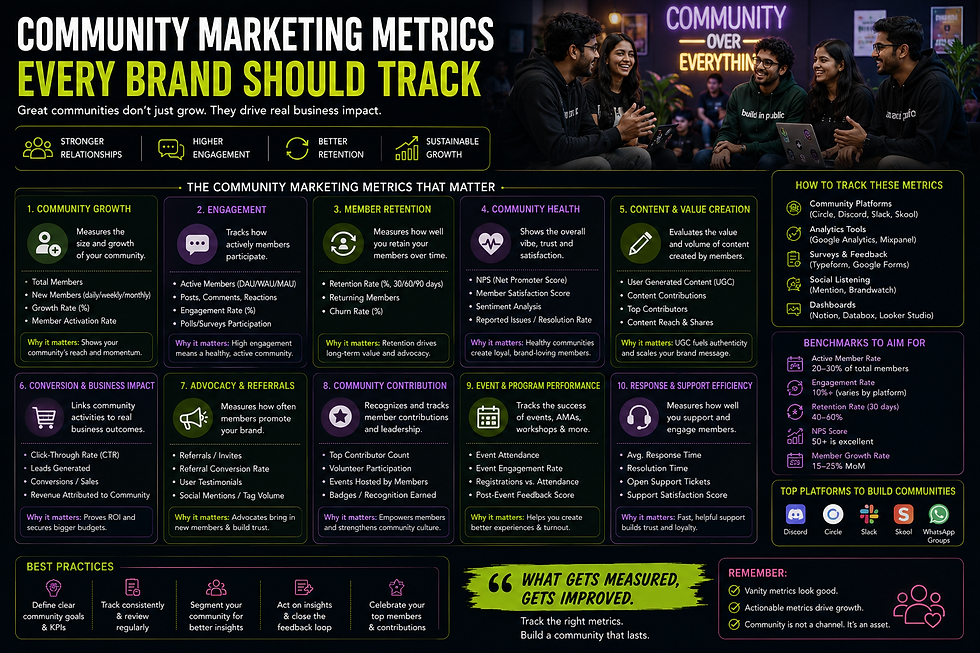
Interactive experiences often encourage consumers to share information voluntarily through registrations, surveys, contests, community memberships, and participation mechanics.
This helps brands build first-party audience relationships while maintaining a positive customer experience.
As privacy regulations continue evolving, these relationships are becoming increasingly valuable.
At House of Havoc (HOH), we design brand activations that combine experiential marketing, creator participation, community engagement, and digital amplification. As a growth-focused digital marketing agency and social media marketing agency, we focus on creating experiences that generate engagement both online and offline.
Because the strongest activations are not simply events.
They are content engines.
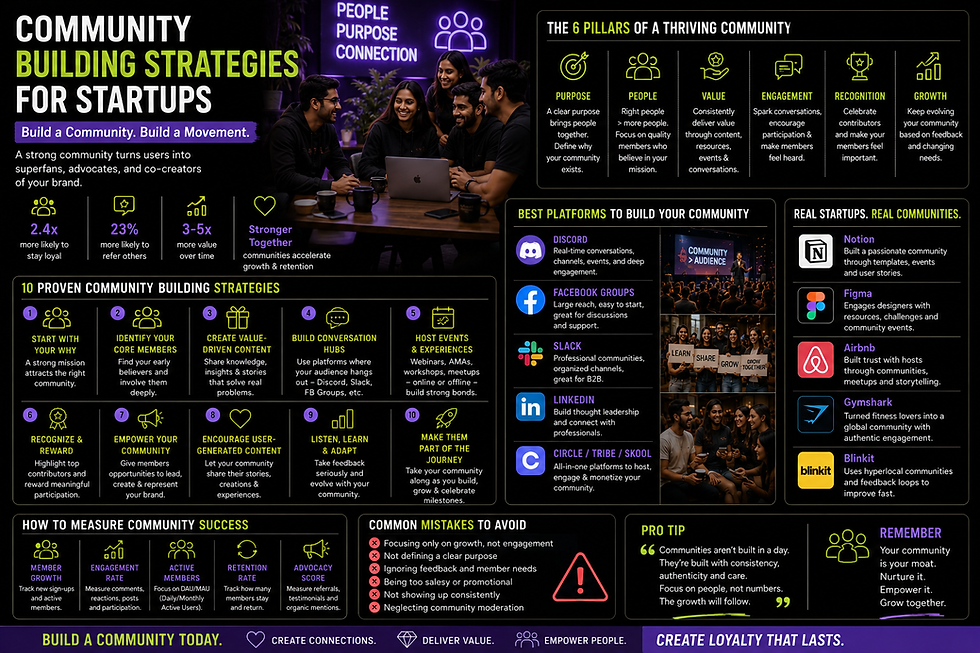
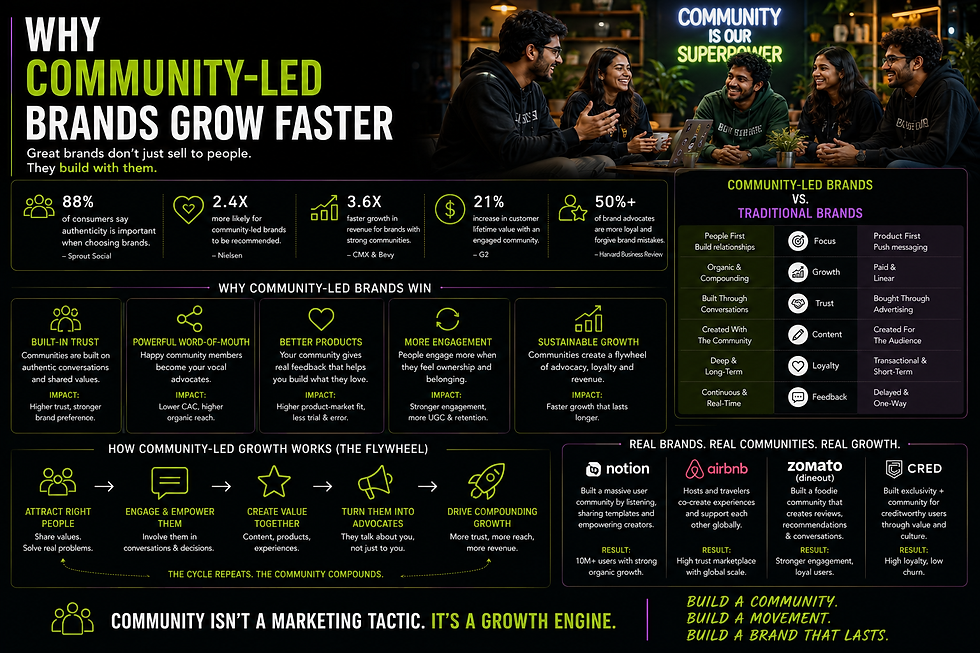
Community builders.
Data generators.
And brand-building experiences all at the same time.
As consumer attention becomes increasingly difficult to capture, brands that create participation rather than interruption will continue gaining a competitive advantage.
Because the future of marketing does not belong to the brands that talk the loudest.
It belongs to the brands that create experiences people genuinely want to be part of.
Comments