
Brand Activations vs Traditional Advertising


Traditional advertising has been a cornerstone of marketing for decades.
Television commercials, print advertisements, radio spots, and digital banners have helped brands reach large audiences.
However, consumer behavior is changing.
People increasingly ignore promotional messages that interrupt their experiences.
This shift has increased interest in brand activations and experiential marketing.
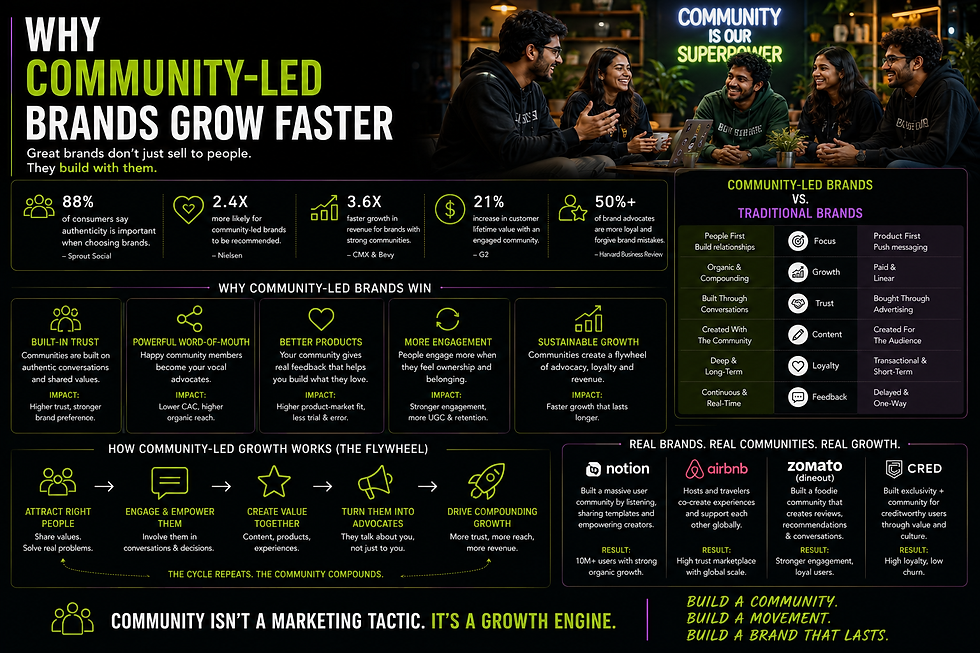
Traditional advertising focuses on communication.
A brand delivers a message, and consumers receive it.
Brand activations focus on participation.
Consumers interact directly with a brand through experiences, events, demonstrations, and community engagement.
This distinction is important.
Participation often creates stronger emotional connections than observation.
People tend to remember experiences more effectively than advertisements.
Another major difference is content generation.
Traditional advertising typically requires brands to create all campaign assets themselves.
Brand activations encourage attendees to create content, generating organic visibility through social sharing and word-of-mouth.
Trust is another factor.
Consumers often view experiences as more authentic because they involve direct interaction with products, services, or communities.
That does not mean traditional advertising is obsolete.
In fact, the most effective marketing strategies often combine both approaches.
Advertising drives awareness.
Activations create engagement.
Together, they strengthen customer journeys.
At House of Havoc (HOH), we help brands integrate activations with broader marketing strategies. As a digital marketing agency, social media marketing agency, and performance marketing agency, we focus on creating systems where awareness, engagement, and conversion work together.
Advertising tells people about a brand.
Experiences help them remember it.
Comments