
Customer Journey Mapping Explained
- shivanshpathak0001
- Jun 13
- 1 min read


Every purchase is the result of a journey.
Consumers rarely discover a brand and immediately make a decision. Instead, they move through a series of interactions that influence awareness, consideration, trust, and ultimately conversion.
Understanding this process is the purpose of customer journey mapping.
A customer journey map visualizes every touchpoint a consumer experiences while interacting with a brand. It helps businesses understand how people discover products, evaluate options, make decisions, and engage after purchase.
Common stages include:
Awareness
Consideration
Decision
Purchase
Retention
Advocacy
Each stage presents opportunities and challenges.
For example, a consumer may first encounter a brand through social media, research it through search engines, watch creator content, visit a website, and finally make a purchase.
If any touchpoint creates friction, the customer may leave the journey altogether.
This is why customer journey mapping is so valuable.
It helps businesses identify gaps, improve experiences, and optimize conversion opportunities.
Creators often influence awareness and consideration.
Content supports education and trust.
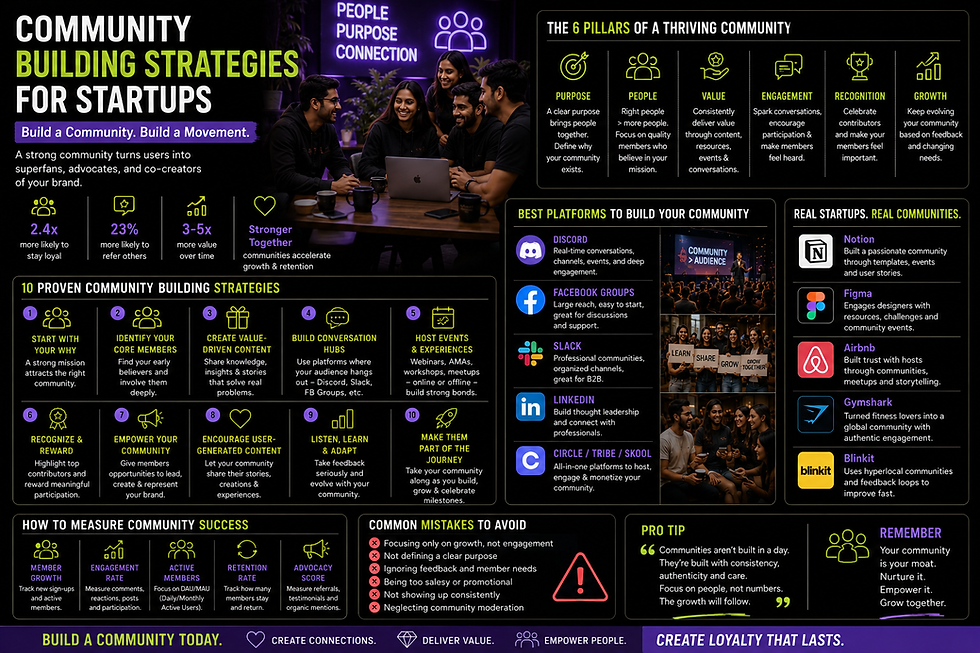
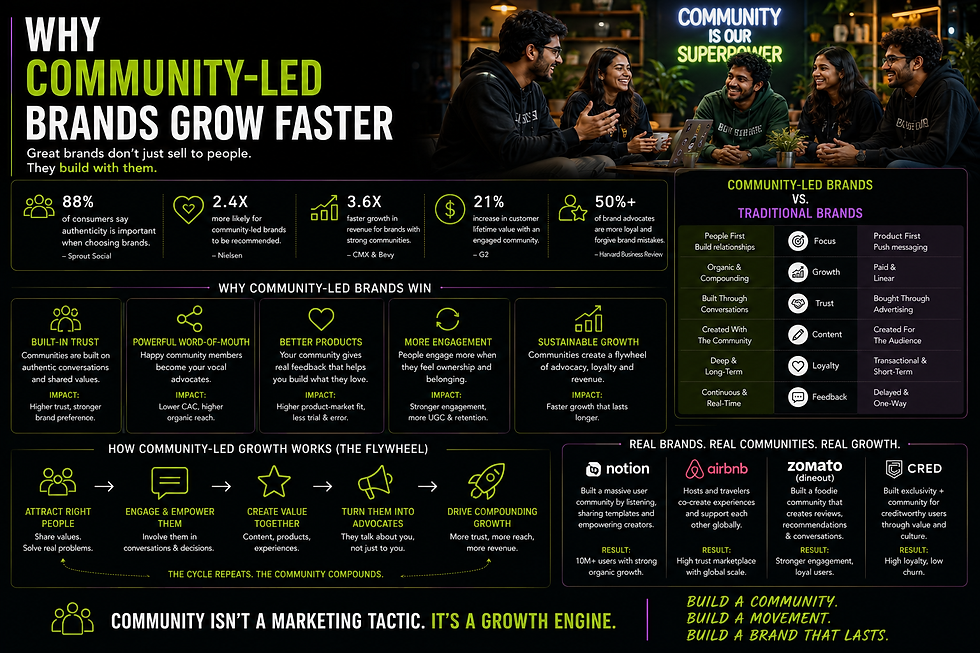
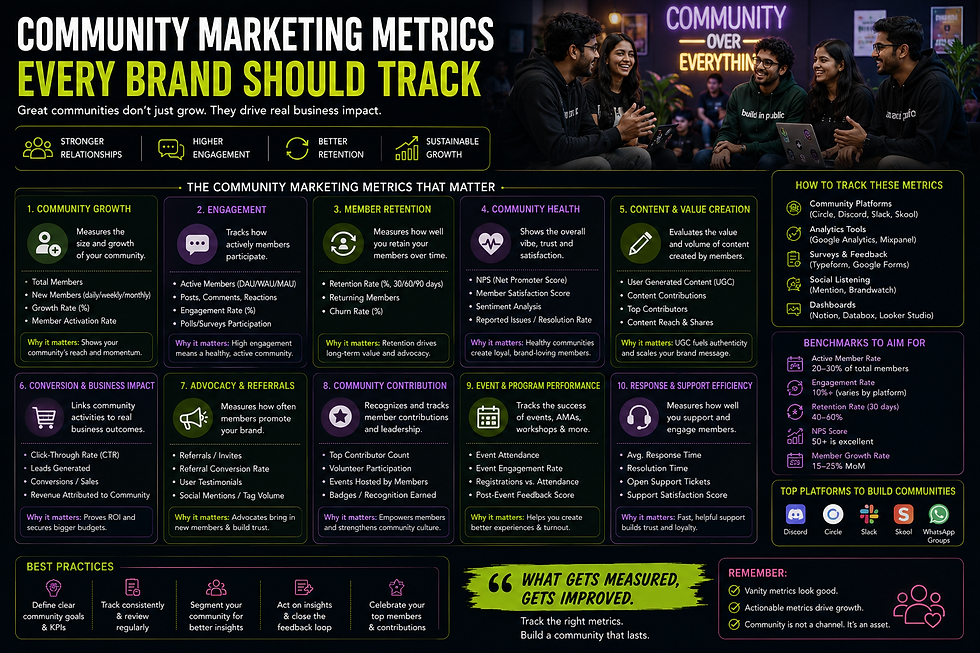
Communities strengthen retention.
Experiential marketing improves engagement and recall.
Every element contributes to the overall journey.
At House of Havoc (HOH), we help brands design customer journeys that integrate creators, communities, content ecosystems, and experiential campaigns. As a growth-focused digital marketing agency, our goal is to create seamless experiences that move customers from awareness to advocacy.
The brands that understand their customers' journeys are better equipped to improve them.
Comments