
Data-Driven Marketing Explained
- shivanshpathak0001
- Jun 13
- 2 min read


For decades, marketing decisions were largely guided by experience, intuition, and creative judgment.
Marketers relied on what they believed would resonate with audiences, often with limited visibility into actual customer behavior.
Today, the landscape is very different.
Businesses have access to more information than ever before.
Every website visit, advertisement click, content interaction, purchase, and customer action creates data that can be analyzed and used to improve decision-making.
This shift has led to the rise of data-driven marketing.
Data-driven marketing is the practice of using information and analytics to understand audiences, optimize campaigns, and improve business outcomes.
Rather than relying solely on assumptions, marketers use measurable insights to guide strategy.
The objective is simple:
Make better decisions based on evidence.
This is why every successful performance marketing agency relies heavily on data to evaluate performance and identify opportunities for improvement.
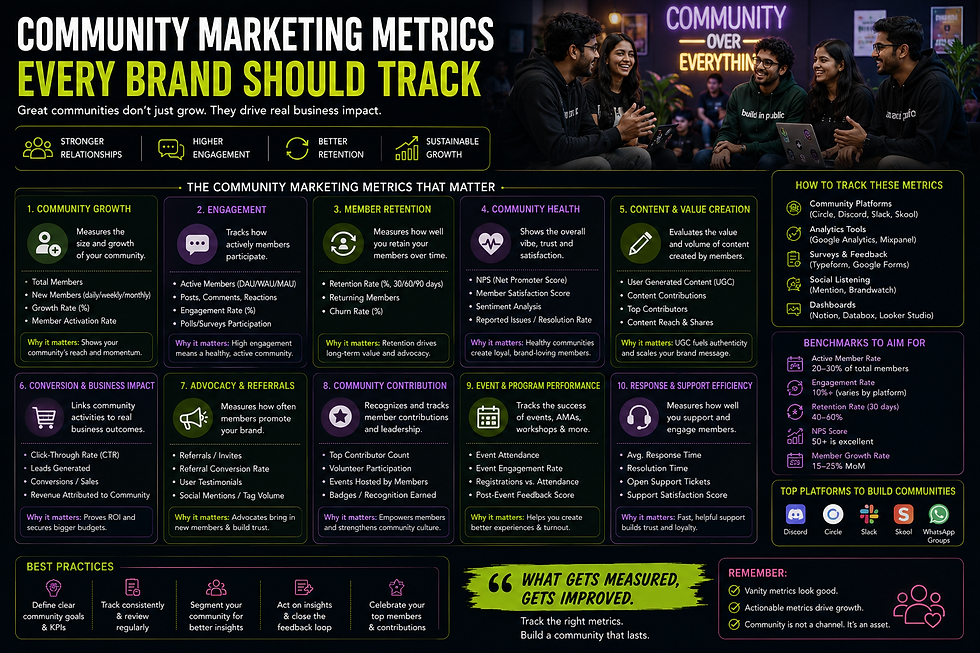
Modern data-driven marketing often involves analyzing:
Website traffic
Engagement metrics
Conversion rates
Audience behavior
Purchase patterns
Customer retention
Campaign performance
Customer lifetime value
Each metric provides a different perspective on how audiences interact with a brand.
Together, they create a clearer picture of what is working and what needs improvement.
One of the biggest advantages of data-driven marketing is clarity.
Instead of guessing which campaigns are effective, businesses can measure results directly. This allows marketers to identify high-performing channels, optimize budgets, improve customer experiences, and allocate resources more efficiently.
The result is better performance and greater accountability.
Data also supports experimentation.
Modern marketers regularly test headlines, creative assets, audience segments, landing pages, and messaging frameworks. Small improvements across multiple areas can produce significant long-term gains.
This culture of continuous optimization has become a defining characteristic of successful growth-focused organizations.
However, data has limitations.
Numbers can explain what happened.
They do not always explain why it happened.
Analytics can reveal that a campaign generated engagement.
They cannot always explain the emotions, motivations, cultural factors, or psychological
triggers that influenced audience behavior.
This is why data alone is not enough.
The strongest marketing strategies combine quantitative insights with qualitative understanding.
Metrics reveal patterns.
Humans interpret meaning.
Creators, communities, and experiences often provide valuable context that traditional analytics cannot fully capture. Customer conversations, community discussions, creator feedback, and real-world interactions frequently reveal insights that numbers alone may overlook.
This is one reason many leading brands combine analytics with audience research and cultural observation.
Successful marketers use data to inform decisions—not replace strategic thinking.
Creativity still matters.
Storytelling still matters.
Human behavior still matters.
Data simply helps marketers understand those factors more effectively.
At House of Havoc (HOH), we combine analytics with audience understanding to create marketing systems that are both measurable and meaningful. As a growth-focused digital marketing agency and performance marketing agency, we believe the strongest strategies emerge when data, creativity, communities, creators, and experiences work together.
Because the future of marketing is not about choosing between data and creativity.
It's about balancing both.
The organizations that master that balance will be the ones that consistently outperform their competitors.
Not because they have more information.
But because they know how to use it.
Comments