
Emotional Marketing Strategies That Build Loyalty
- shivanshpathak0001
- Jun 13
- 2 min read


Most consumers believe they make purchasing decisions logically.
They compare features.
They evaluate prices.
They research options.
And while these factors certainly matter, the reality is far more complex.
Human beings are emotional decision-makers.
We often justify purchases with logic, but emotions play a significant role in determining which brands we trust, remember, and support over time.
This is why emotional marketing remains one of the most powerful strategies available to modern businesses.
Emotional marketing focuses on creating feelings that strengthen the relationship between consumers and brands. Instead of communicating only product benefits, brands create experiences that resonate on a deeper level.
These emotions can include:
Trust
Excitement
Inspiration
Belonging
Pride
Nostalgia
Each emotion influences behavior differently.
Trust encourages confidence.
Excitement creates engagement.
Belonging strengthens community.
And nostalgia often creates powerful emotional connections that audiences remember for years.
This is one reason every successful digital marketing agency understands that marketing is not simply about attracting attention.
It's about creating emotional relevance.
One of the biggest reasons emotional marketing works is memory.
Consumers may forget the details of an advertisement, but they often remember how a brand made them feel. A positive emotional experience can remain associated with a brand long after a campaign has ended.
This emotional recall often influences future purchasing decisions.
People gravitate toward brands they trust.
And trust is built through repeated positive experiences.
Storytelling plays a major role in emotional marketing.
Stories help consumers connect with ideas in a way that facts alone rarely can.
Challenges, aspirations, transformations, and personal journeys allow audiences to see themselves within a narrative.
When people identify with a story, they become emotionally invested in the outcome.
This creates stronger engagement and deeper brand connections.
Experiences also contribute significantly to emotional loyalty.
Experiential marketing creates moments that people can actively participate in rather than simply observe. Events, activations, workshops, and community experiences often leave lasting impressions because they involve real emotions and real interactions.
People may forget advertisements.
But they often remember experiences.
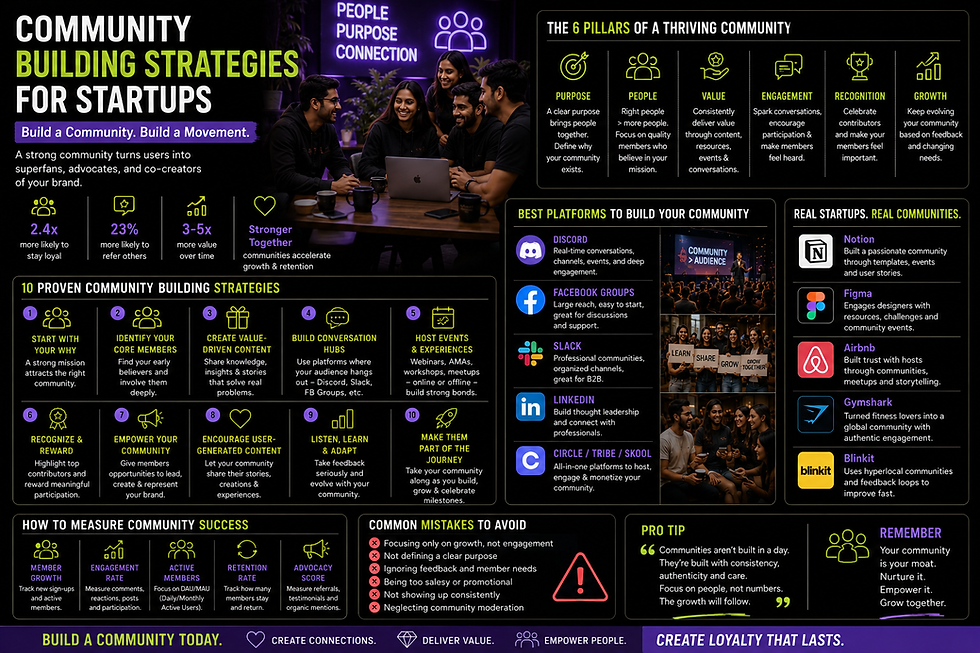
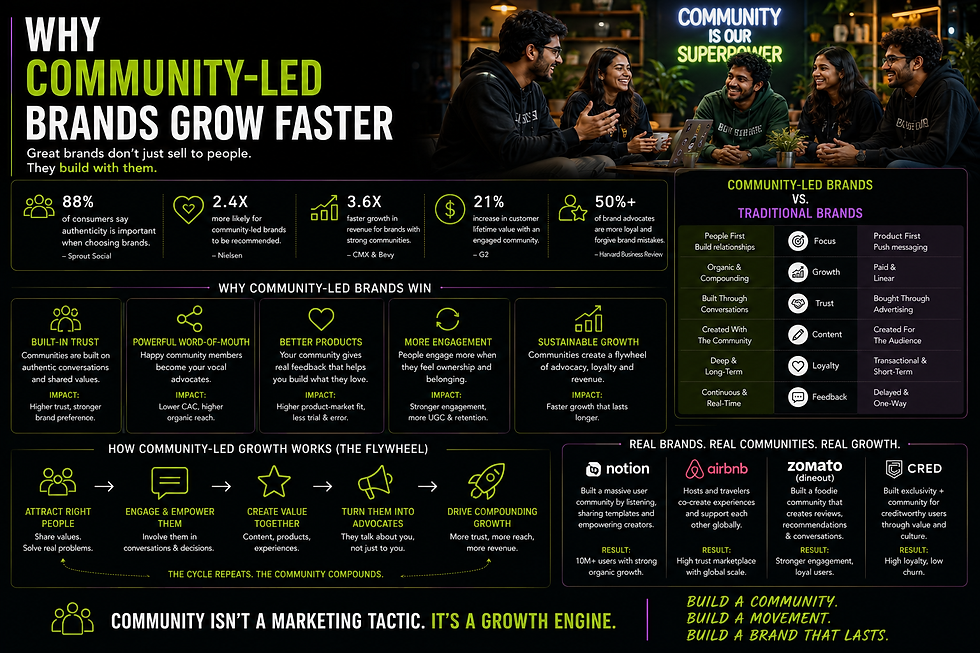
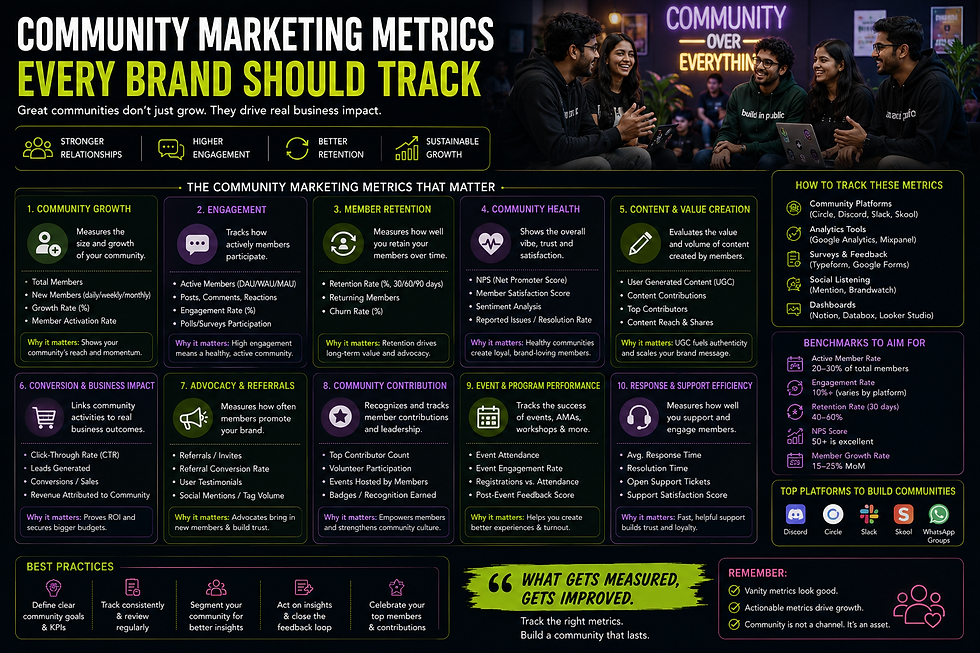
Community plays an equally important role.
Consumers increasingly want relationships rather than transactions. Brands that create spaces for interaction, participation, and belonging often develop stronger emotional connections with their audiences.
Communities transform customers into advocates because they provide value beyond products or services.
Creators further amplify emotional engagement.
Authentic creator content often feels more relatable than traditional advertising because creators naturally communicate through stories, experiences, and personal perspectives.
This is why many businesses work with an influencer marketing agency india to develop campaigns that connect emotionally rather than simply promote products.
However, emotional marketing must remain authentic.
Modern consumers are highly aware of marketing tactics. They can quickly recognize messaging that feels manipulative, forced, or insincere. Brands that attempt to manufacture emotions without genuine substance often damage trust instead of building it.
Authenticity remains the foundation.
At House of Havoc (HOH), we help brands create emotionally engaging campaigns through creators, communities, storytelling, content systems, and experiential activations. As a growth-focused social media marketing agency and digital marketing agency, we focus on building relationships that extend beyond transactions and contribute to long-term loyalty.
Because the strongest brands are rarely remembered for what they sell.
They're remembered for how they make people feel.
And those feelings often become the foundation of lasting customer relationships.
Comments