
Gen Z Marketing Explained: How Brands Can Win the Next Generation
- shivanshpathak0001
- Jun 13
- 3 min read

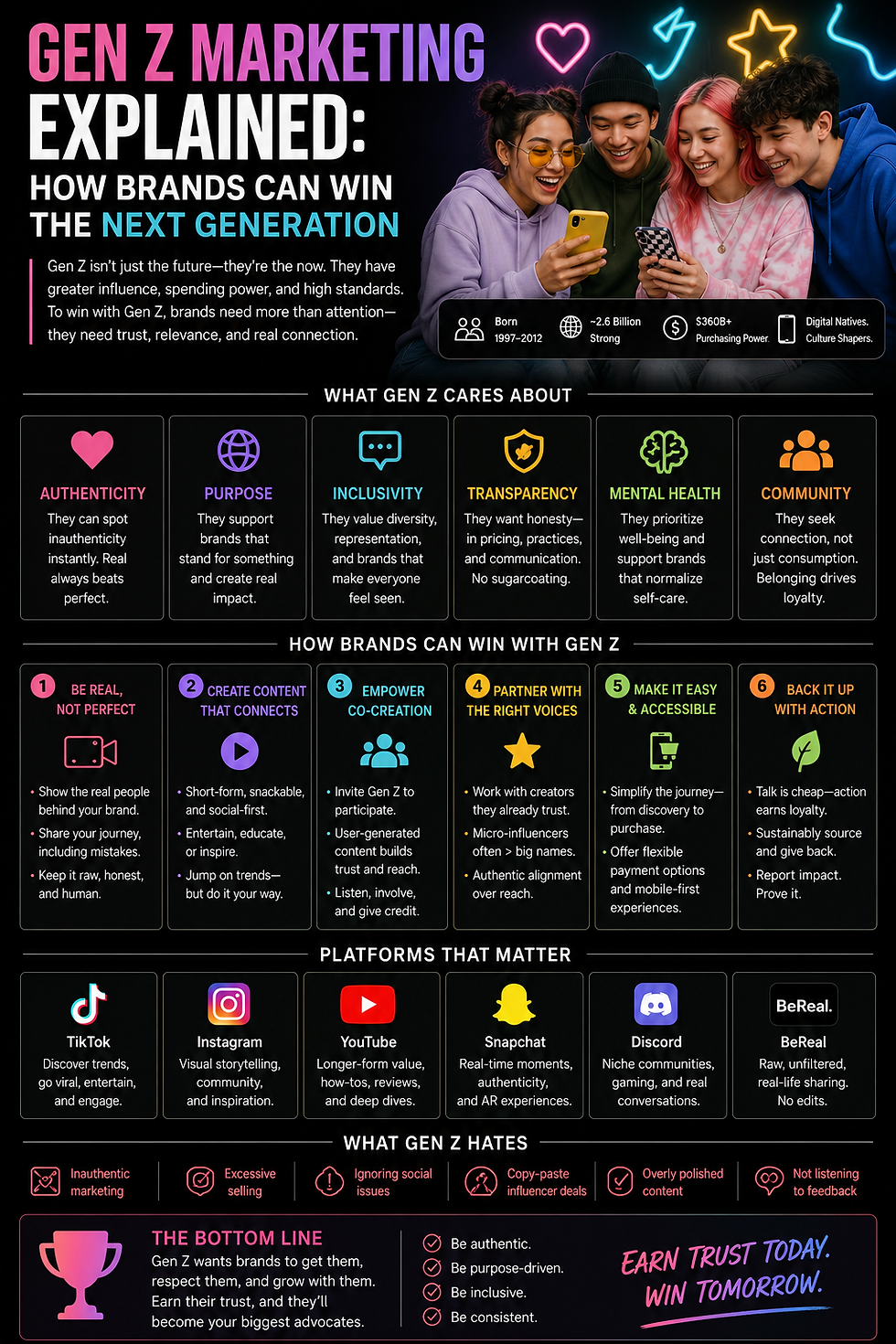
Gen Z is one of the most influential consumer groups in the world today.
Raised in a digital-first environment, this generation has grown up with smartphones, social media, creator culture, instant communication, and unlimited access to information.
Their experiences have shaped a unique set of expectations that differ significantly from previous generations.
For brands, this creates both opportunity and responsibility.
Understanding Gen Z is no longer optional.
It is essential.
This is why many businesses are investing heavily in experiential marketing, creator partnerships, and community-driven engagement strategies to build stronger relationships with younger audiences.
One of the defining characteristics of Gen Z is authenticity.
This generation has spent years navigating social media platforms filled with advertising, branded content, and promotional messaging. As a result, they have become exceptionally skilled at identifying content that feels forced, overly polished, or inauthentic.
Traditional advertising methods often struggle because Gen Z values transparency, honesty, and relatability.
They want brands to communicate like people.
Not corporations.
This shift has fueled the rise of creator-led marketing.
Gen Z spends a significant amount of time consuming content from creators who share their interests, lifestyles, opinions, and values. These creators often build highly engaged communities based on trust and consistency.
For many young consumers, creator recommendations carry more influence than traditional celebrity endorsements or corporate advertisements.
This is why brands increasingly work with an influencer marketing agency india to build creator ecosystems that feel authentic and culturally relevant.
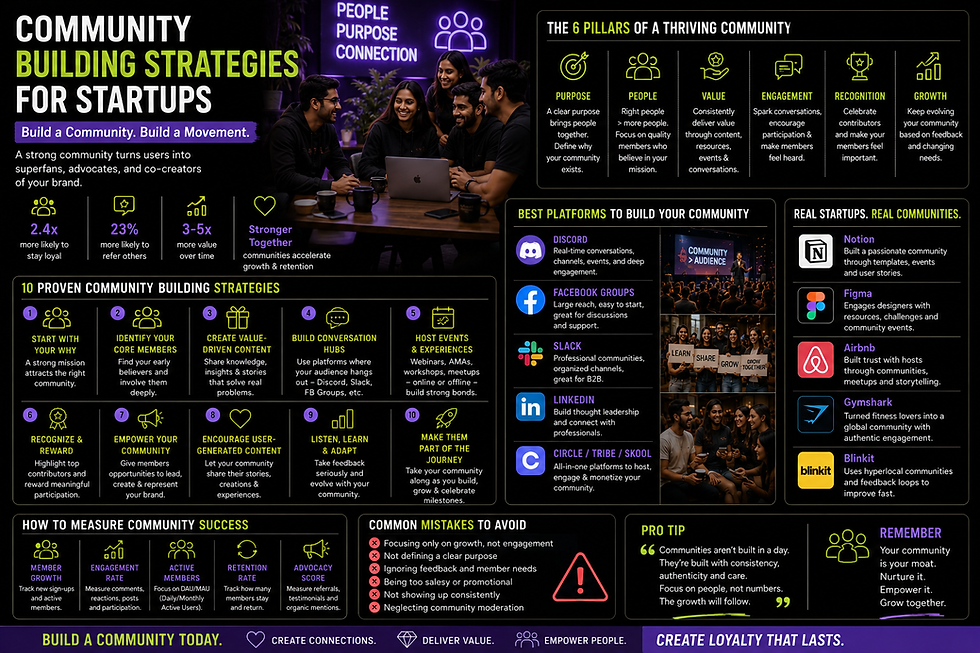
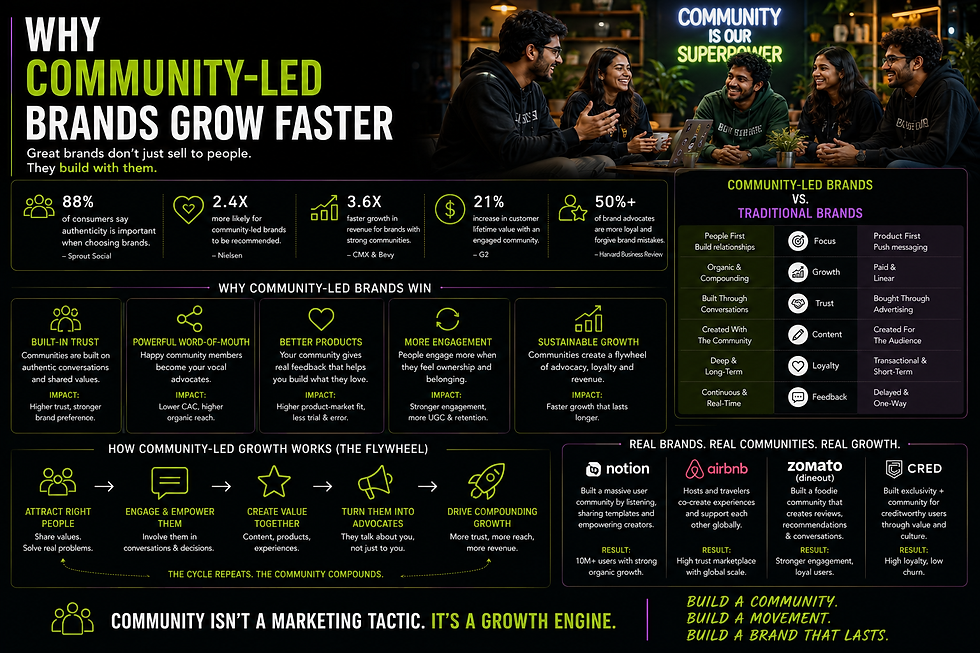
Community is another major factor.
Gen Z consumers rarely engage with brands purely as customers.
Instead, they often seek belonging, participation, and shared identity. They join communities, movements, fandoms, and interest groups that reflect their values and interests.
The strongest brands understand this.
Rather than focusing exclusively on selling products, they create spaces where audiences can connect, contribute, and participate.
Communities create engagement.
And engagement creates loyalty.
Experiences are equally important.
Whether online or offline, Gen Z values memorable interactions over passive consumption. This explains why experiential campaigns continue gaining momentum across industries.
Campus activations, creator events, immersive experiences, workshops, networking sessions, and community-driven experiences all provide opportunities for meaningful engagement.
Unlike traditional advertisements, experiences allow audiences to become active participants in a brand story.
And participation creates stronger emotional connections.
Purpose also influences Gen Z purchasing decisions.
Many young consumers support businesses that align with causes they care about, including sustainability, education, diversity, mental health awareness, social impact, and community development.
However, authenticity remains critical.
Gen Z quickly identifies performative activism and messaging that lacks genuine commitment.
Values must be demonstrated through actions rather than slogans.
Content consumption habits are evolving as well.
Short-form video remains one of the most effective communication formats available.
Platforms such as Instagram Reels and YouTube Shorts align perfectly with Gen Z's preference for fast, engaging, mobile-first experiences.
Brands that master short-form storytelling often gain a significant advantage in visibility and engagement.
At House of Havoc (HOH), we help brands connect with Gen Z through creator ecosystems, campus marketing, experiential activations, and community-driven campaigns. As a growth-focused digital marketing agency and social media marketing agency, we believe participation is far more effective than promotion.
Because younger audiences do not want to be marketed to.
They want to be included.
The future of marketing will be shaped by Gen Z behavior, expectations, and values.
Brands that focus on building trust, creating experiences, fostering communities, and delivering authentic value will be best positioned to earn attention from the next generation.
And in an increasingly competitive attention economy, trust may become the most valuable asset of all.
Comments