
PR Marketing in the Digital Era
- shivanshpathak0001
- Jun 13
- 2 min read


Public relations has evolved significantly over the past decade.
There was a time when PR was largely associated with newspapers, television interviews, magazine features, and press releases. While traditional media still plays an important role, the way brands build credibility and influence public perception has changed dramatically.
Today, PR is no longer confined to media outlets.
It exists wherever conversations happen.
Modern consumers discover brands through creators, communities, podcasts, social media discussions, industry publications, events, and digital content. As a result, public relations has become more dynamic, more accessible, and more integrated with marketing than ever before.
This is why every modern digital marketing agency should view PR as an ongoing reputation-building strategy rather than a standalone activity.
At its core, PR still serves the same purpose:
Building trust.
Strengthening credibility.
Shaping perception.
What has changed are the channels through which those goals are achieved.
Modern PR now includes:
Creator collaborations
Podcast appearances
Thought leadership content
Social media conversations
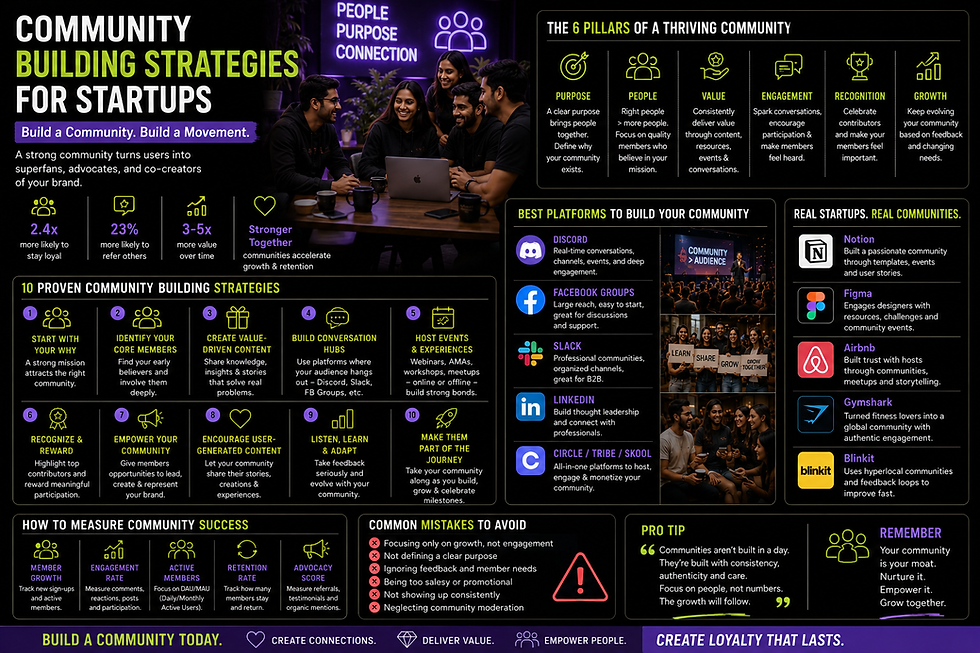
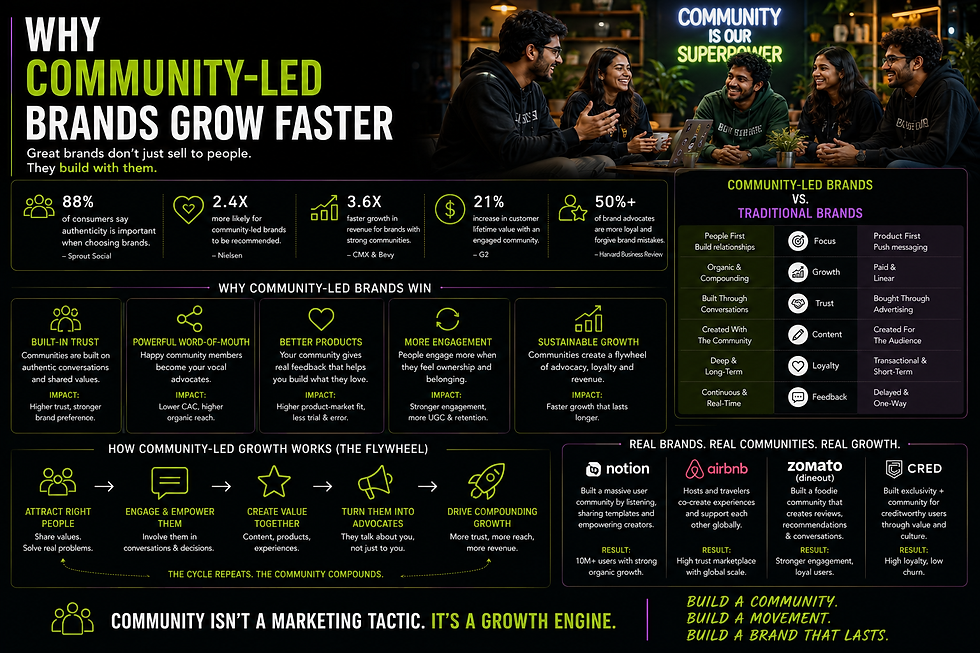
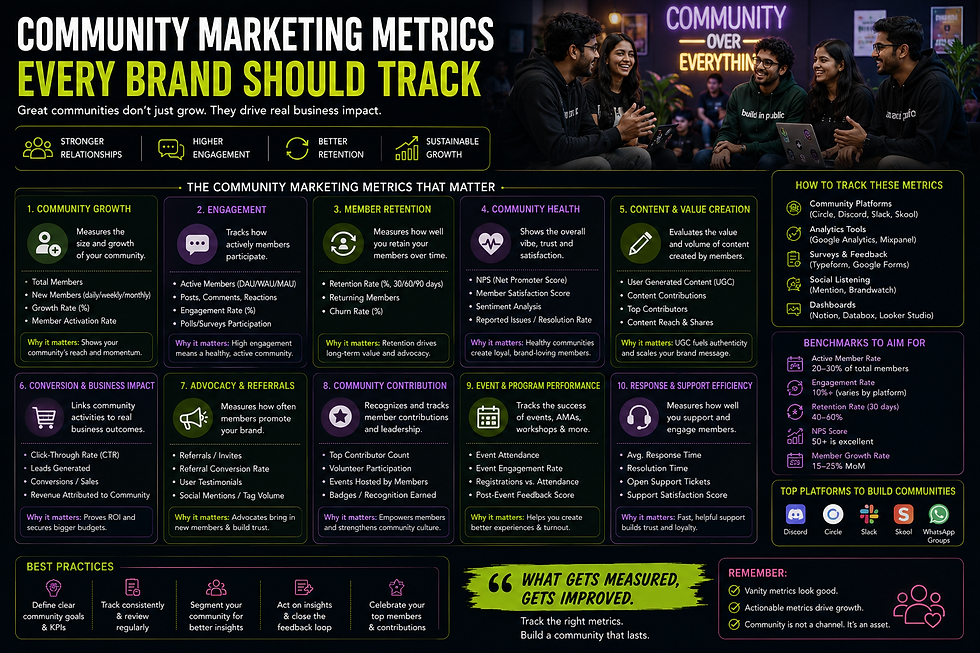
Community engagement
Industry commentary
Experiential campaigns
Digital publications and online media
Each of these channels contributes to how audiences perceive a brand.
One of the most significant shifts in recent years is the rise of creator influence.
Consumers increasingly trust people more than institutions. They often look to creators, industry experts, and community leaders when evaluating brands, products, and services.
This is why many organizations work with an influencer marketing agency India to build relationships with creators who can amplify brand stories in authentic and credible ways.
Thought leadership has also become a cornerstone of modern PR.
Executives, founders, and industry experts now have direct access to audiences through content platforms. Articles, research reports, interviews, podcasts, and educational content allow businesses to demonstrate expertise while building authority within their industries.
When people consistently learn from a brand, they begin to trust it.
And trust creates influence.
Content plays an equally important role.
PR is no longer limited to external media coverage. Brands can create their own media assets through blogs, videos, case studies, newsletters, and community platforms.
These assets help shape narratives while increasing visibility and credibility.
Experiences can further strengthen PR efforts.
Experiential marketing creates stories that people want to talk about. Unique events, activations, workshops, and branded experiences often attract media attention while generating valuable content for digital distribution.
The most successful PR campaigns today combine earned attention with owned and shared channels.
This creates a multiplier effect where a single story can be amplified through creators, communities, social media, content platforms, and events.
At House of Havoc (HOH), we help brands combine PR with creators, communities, thought leadership, and experiential engagement to maximize both visibility and credibility. As a growth-focused social media marketing agency and digital marketing agency, we focus on building influence through meaningful conversations rather than relying solely on traditional publicity.
Because in today's digital landscape, attention is abundant.
Trust is not.
And the brands that consistently create stories worth sharing are the brands that earn both.
That's why the future of PR belongs to businesses that actively participate in culture, conversations, and communities, not just media cycles.
Comments