
Retail Marketing Trends Every Brand Should Watch
- shivanshpathak0001
- Jun 13
- 3 min read


Retail marketing has undergone a significant transformation over the past decade.
Consumers are no longer satisfied with simply entering a store, purchasing a product, and leaving. Today's customers expect experiences, personalization, convenience, and meaningful engagement throughout the buying journey.
As a result, the role of retail has evolved.
Stores are no longer just sales channels.
They are becoming brand experience centers.
This shift is changing how businesses approach customer engagement and why experiential marketing is becoming an increasingly important part of retail strategy.
Modern retail environments are designed to encourage interaction rather than simply facilitate transactions.
Brands are investing in:
Interactive product displays
Product demonstrations
Digital experiences
Immersive installations
In-store events
Community activations
Personalized shopping experiences
These initiatives help consumers engage more deeply with products while creating stronger emotional connections with the brand.
When customers spend more time interacting with a brand, they are more likely to remember it.
And memorable experiences often influence purchasing decisions.
One of the biggest retail trends today is the blending of online and offline experiences.
Consumers no longer think in channels.
They may discover a product through social media, research it online, visit a physical store to experience it, and complete the purchase digitally.
Alternatively, they may encounter a product in-store and purchase it later through an e-commerce platform.
This behavior has created the need for seamless omnichannel experiences.
Successful retailers understand that customers expect consistency regardless of where they interact with a brand.
Personalization is another major trend shaping retail marketing.
Consumers increasingly expect brands to understand their preferences and provide relevant recommendations.
Advances in technology now allow retailers to personalize communication, offers, product recommendations, and customer experiences based on behavioral data and purchase history.
Personalization helps reduce friction while improving customer satisfaction.
More importantly, it makes customers feel understood.
Creator collaborations are also transforming retail experiences.
Many brands partner with creators to launch exclusive collections, host in-store events, showcase products, and generate excitement around retail activations.
Creators bring credibility, audience trust, and visibility to retail campaigns.
Their content often feels more authentic than traditional advertising while helping brands reach highly engaged communities.
This is one reason many retailers work with an influencer marketing agency india to identify creators who align with their audience and brand positioning.
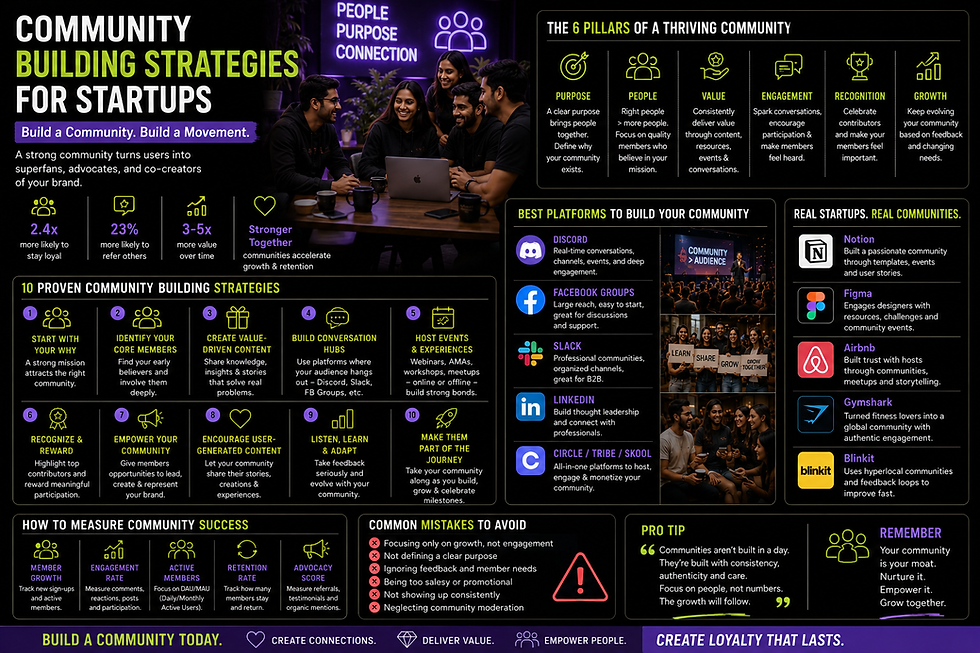
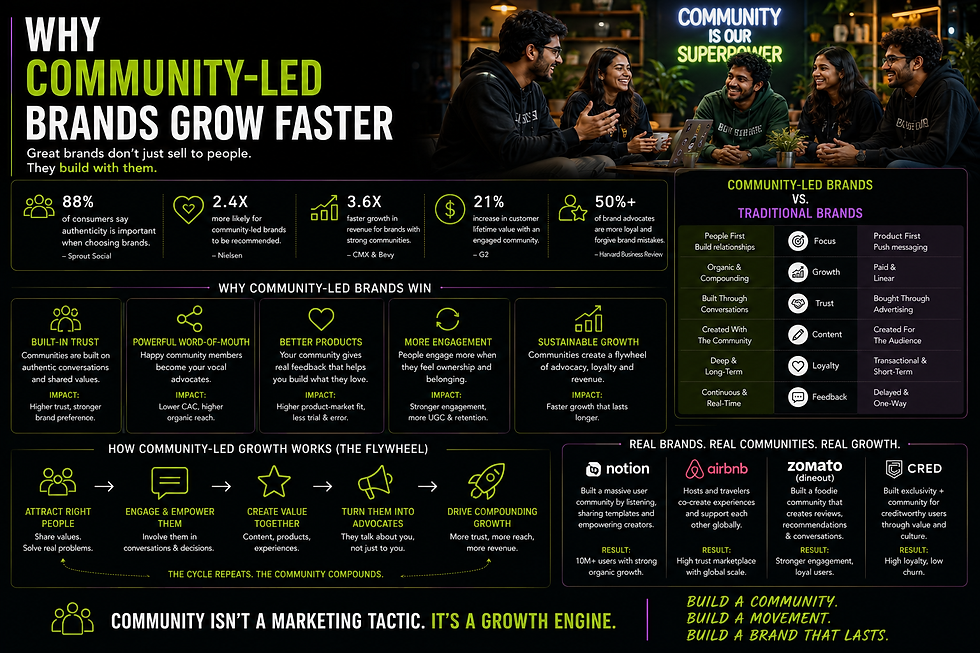
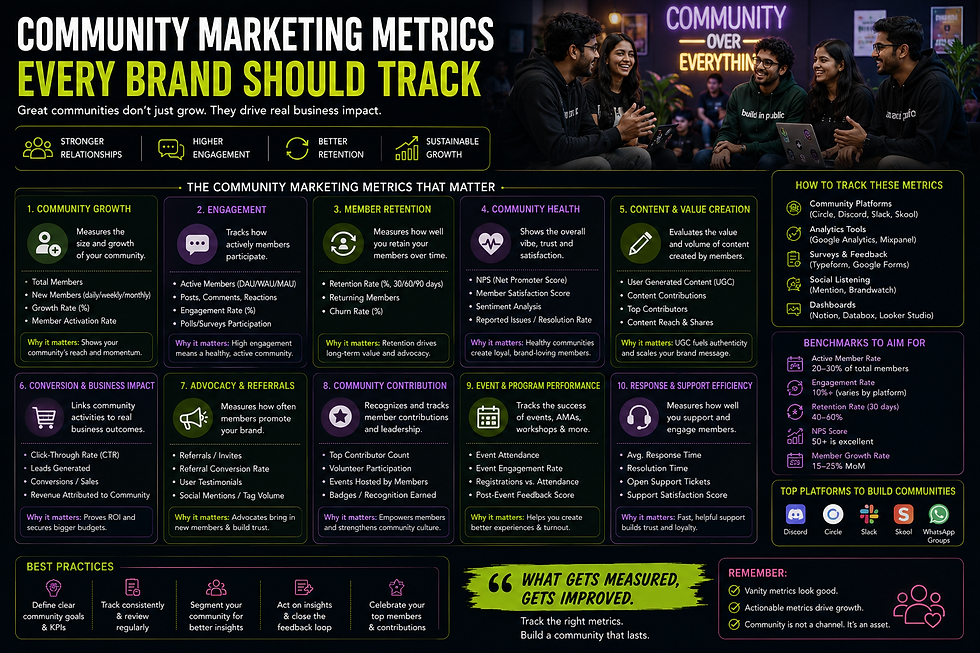
Community building is becoming increasingly important as well.
The most successful retail brands are creating spaces where consumers can do more than shop.
Workshops.
Networking sessions.
Product launches.
Creator meetups.
Educational events.
Community experiences.
These activities transform retail environments into places where people connect with brands and with each other.
And communities create loyalty that transactions alone cannot achieve.
Content generation has become another priority.
Modern retail spaces are often designed with social sharing in mind. Visually engaging environments encourage customers to take photos, create videos, and share experiences online.
This user-generated content extends brand visibility far beyond the physical location.
In many cases, a single store experience can generate thousands of digital impressions through customer-created content.
At House of Havoc (HOH), we help brands create retail marketing strategies that combine experiential engagement, creator ecosystems, content generation, and community participation. As a growth-focused digital marketing agency and social media marketing agency, our goal is to transform retail spaces into environments that strengthen both engagement and conversions.
Because the future of retail is not simply about selling products.
It's about creating experiences.
Building communities.
Generating content.
And giving customers reasons to return long after the purchase has been made.
The brands that succeed will be those that make retail memorable.
Comments