
Why Experiential Marketing Creates Better Brand Recall
- shivanshpathak0001
- Jun 12
- 2 min read


How many advertisements did you see yesterday?
Most people can't answer that question.
Now think about the last truly memorable experience you had with a brand.
You probably remember where it happened, how it felt, who you were with, and what made it different.
That's the power of experiential marketing.
While traditional advertising often struggles to leave a lasting impression, experiences create memories. And in marketing, memory is one of the most valuable assets a brand can build.
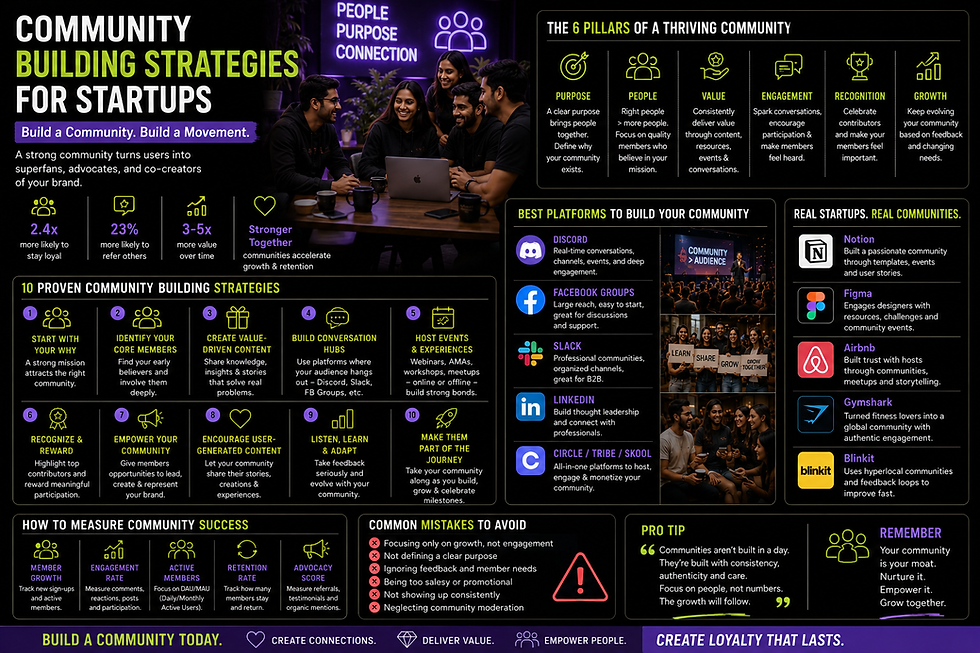
Experiential marketing focuses on creating real-world interactions that allow consumers to engage directly with a brand. These interactions can take many forms, including product demonstrations, immersive installations, campus activations, workshops, festivals, creator collaborations, and branded events.
What they all have in common is participation.
Instead of simply watching a message, consumers become part of it.
This is one of the key reasons experiential campaigns are so effective.
Human beings are wired to remember experiences more than advertisements.
Emotional interactions are processed differently by the brain, making them more likely to be stored as long-term memories. When a brand becomes associated with a positive experience, that association often lasts far longer than a traditional marketing message.
This creates stronger recall, deeper engagement, and more meaningful relationships with consumers.
Another major advantage of experiential marketing is content generation.
Today's consumers don't just attend experiences—they document them.
People naturally share photos, videos, reactions, and stories across social media platforms. As a result, a well-executed activation often extends far beyond the physical event itself. One experience can generate hundreds or even thousands of pieces of user-generated content, dramatically increasing reach and visibility.
This is why every forward-thinking social media marketing agency understands the value of creating moments worth sharing.
Trust is another important factor.
Consumers are often more likely to trust a product after interacting with it directly.
Whether it's testing a product, attending a workshop, participating in a demonstration, or engaging with a creator-led activation, firsthand experiences reduce uncertainty and increase confidence.
This makes experiential campaigns especially effective for product launches, awareness initiatives, and community-building efforts.
Experiences also encourage active participation.
Traditional advertising is largely passive. Consumers watch, listen, or scroll. Experiential campaigns create opportunities for interaction, making audiences feel like participants rather than spectators.
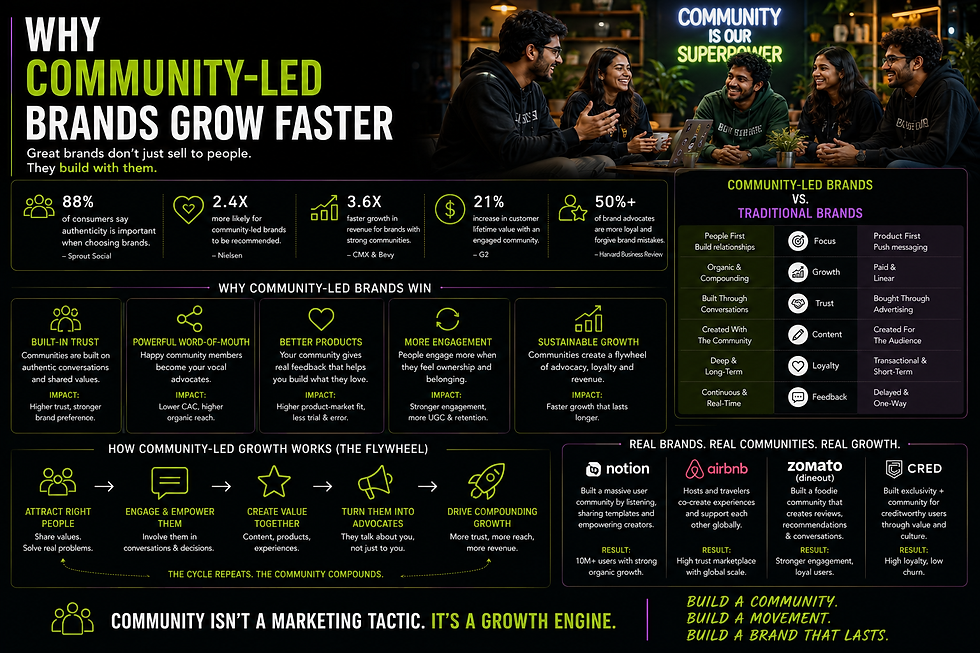
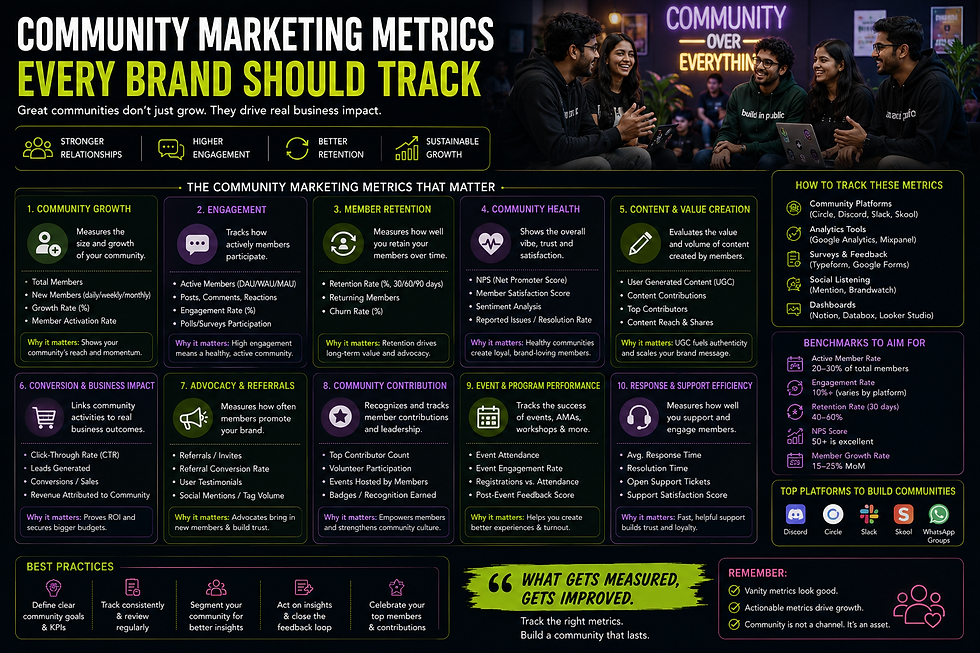
At House of Havoc (HOH), experiential marketing is a core part of how we help brands build cultural relevance and long-term recall. As a modern digital marketing agency, we design activations that combine creator participation, community engagement, content generation, and strategic storytelling.
The content generated through these experiences can also strengthen acquisition campaigns, helping a performance marketing agency approach benefit from the trust and engagement already established through real-world interactions.
Our goal isn't simply to create events.
It's to create moments people remember.
Because in an increasingly digital world, attention is temporary—but experiences can last for years.
And the brands people remember are often the brands they choose.
Comments