
Why First-Party Data Is Becoming a Marketing Priority
- shivanshpathak0001
- Jun 13
- 1 min read


The marketing industry is entering a new era.
As privacy regulations evolve and third-party tracking becomes less reliable, businesses are increasingly focusing on first-party data.
First-party data refers to information collected directly from customers through interactions with a brand.
Examples include:
Website activity
Email subscriptions
Purchase history
Survey responses
Community participation
Event registrations
Unlike third-party data, first-party information is gathered directly from consumers who choose to interact with a brand.
This creates several advantages.
First, the data is often more accurate.
Second, it supports stronger personalization.
Third, it helps businesses maintain compliance with evolving privacy standards.
Consumers increasingly expect relevant experiences.
First-party data helps brands understand preferences, behaviors, and interests while delivering more meaningful communication.
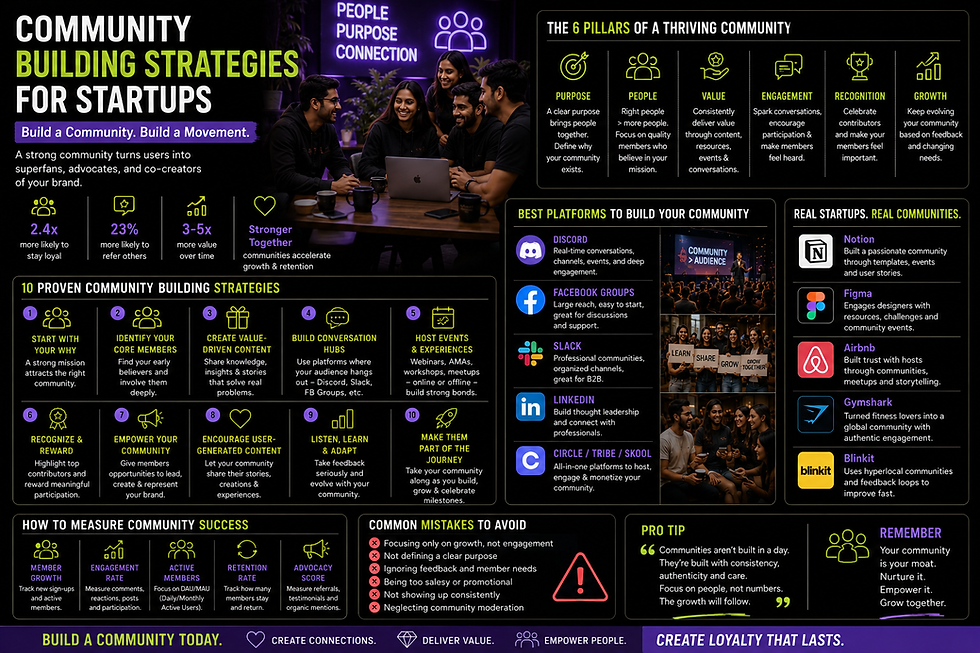
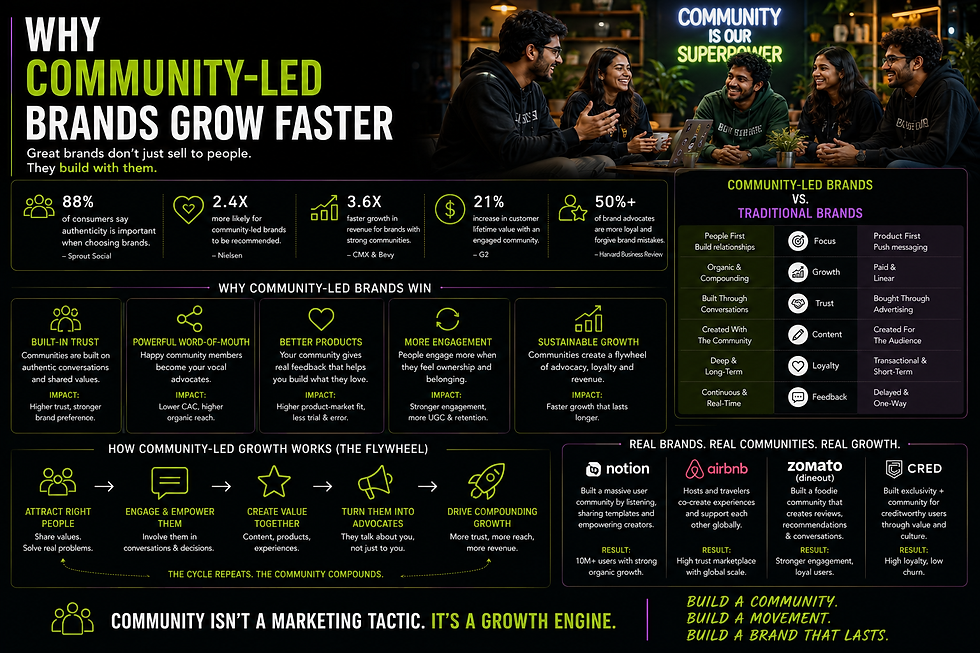
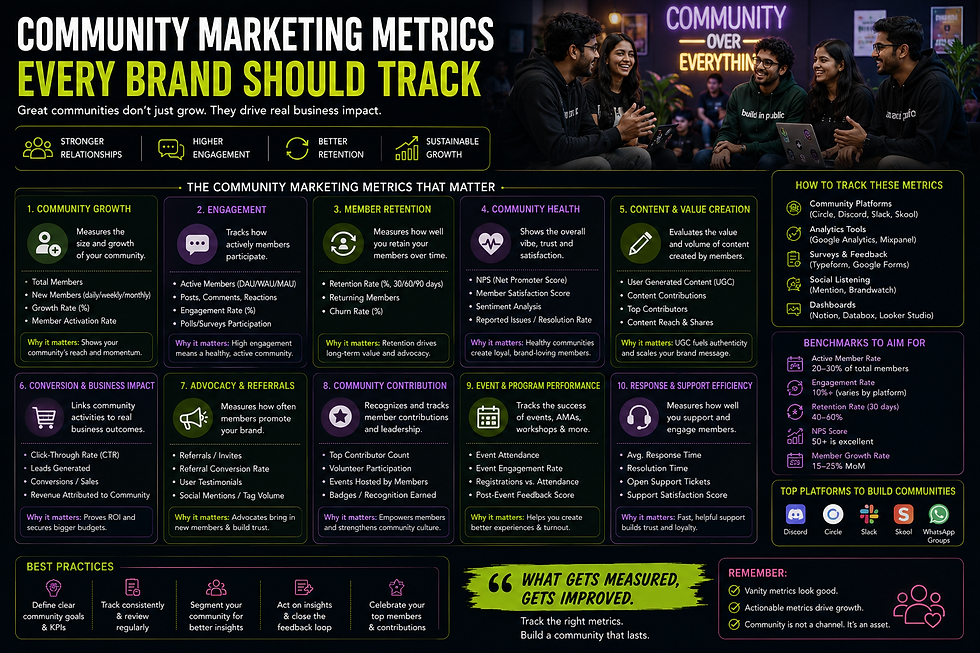
Communities are becoming valuable sources of first-party data because they create direct relationships between brands and audiences.
Experiential marketing also provides opportunities to gather insights through registrations, participation, and engagement activities.
Content systems contribute by encouraging consumers to subscribe, interact, and share information voluntarily.
At House of Havoc (HOH), we help brands build first-party data ecosystems through creators, communities, content, and experiential campaigns. As a growth-focused digital marketing agency, we believe the future belongs to businesses that develop direct relationships with their audiences.
In a privacy-focused world, trust and first-party relationships will become increasingly valuable assets.
Comments