
Youth Marketing Trends Every Brand Should Understand
- shivanshpathak0001
- Jun 13
- 3 min read


Youth audiences have always influenced culture.
But today, their impact extends further than ever before.
From social media trends and creator culture to purchasing behavior and brand perception, younger consumers are shaping the future of marketing across nearly every industry.
For brands, this creates both an opportunity and a challenge.
The opportunity is access to one of the most influential consumer groups in the world.
The challenge is that traditional marketing approaches rarely work.
Marketing to young audiences is not simply about understanding age demographics.
It's about understanding behavior, values, digital habits, and culture.
This is why many modern brands are increasingly investing in experiential marketing and community-driven engagement strategies to connect with younger consumers in more meaningful ways.
One of the biggest shifts in youth marketing is authenticity.
Young audiences have grown up surrounded by advertising. They are highly skilled at recognizing promotional messaging and often ignore content that feels forced, overly polished, or disconnected from reality.
Instead, they gravitate toward brands that communicate honestly and participate naturally in conversations.
Authenticity is no longer a competitive advantage.
It's an expectation.
Creator-led marketing has emerged as one of the most effective ways to build that authenticity.
Young consumers spend significant amounts of time following creators who share their interests, values, and lifestyles. These creators often function as trusted voices within their communities.
As a result, recommendations from creators frequently carry more influence than traditional advertising campaigns.
This is one reason many brands work with an influencer marketing agency india to build creator ecosystems that connect with youth audiences through trust rather than interruption.
Experiences represent another major trend.
Younger consumers increasingly prioritize memorable experiences over passive consumption. They want to participate, contribute, and engage rather than simply observe.
This has contributed to the growth of:
Campus activations
Festivals
Creator meetups
Workshops
Community events
Immersive brand experiences
Experiences create stronger emotional connections while generating valuable content and social conversations.
More importantly, they create memories.
And memories create brand recall.
Purpose is becoming increasingly important as well.
Many young consumers prefer supporting organizations that align with their values. Issues such as sustainability, education, community development, social impact, and ethical business practices often influence purchasing decisions.
However, authenticity remains critical.
Young audiences quickly recognize performative initiatives that lack genuine commitment.
Purpose must be demonstrated through actions rather than marketing messages alone.
Content consumption habits are also evolving.
Short-form video continues to dominate attention across platforms such as Instagram
Reels and YouTube Shorts. Younger audiences prefer content that is engaging, mobile-friendly, and easy to consume.
This has transformed how brands communicate.
Instead of broadcasting messages, successful businesses create content that feels native to the platforms where audiences spend their time.
Community participation is another powerful trend.
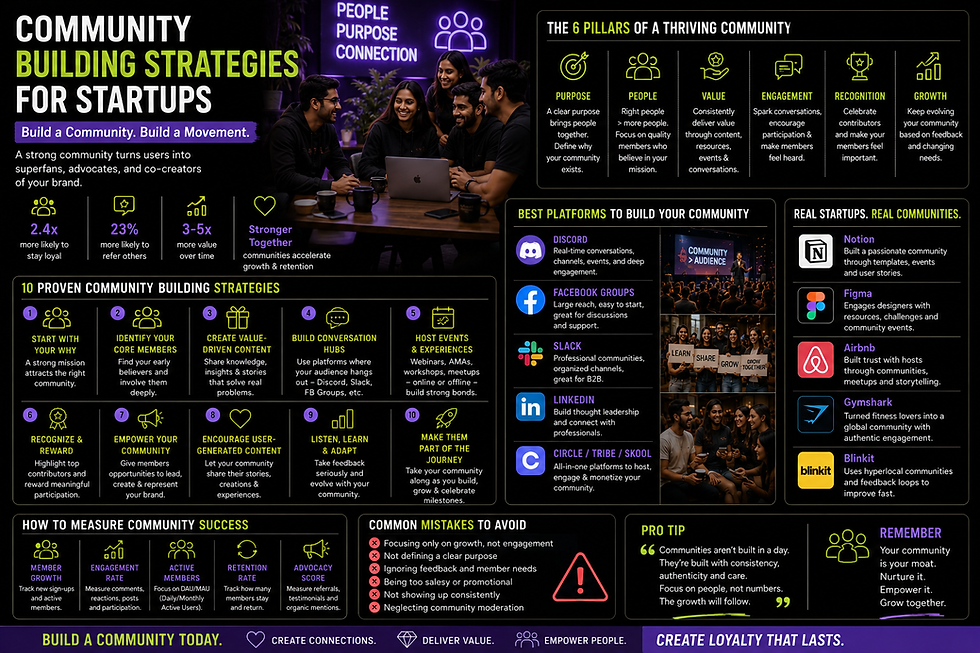
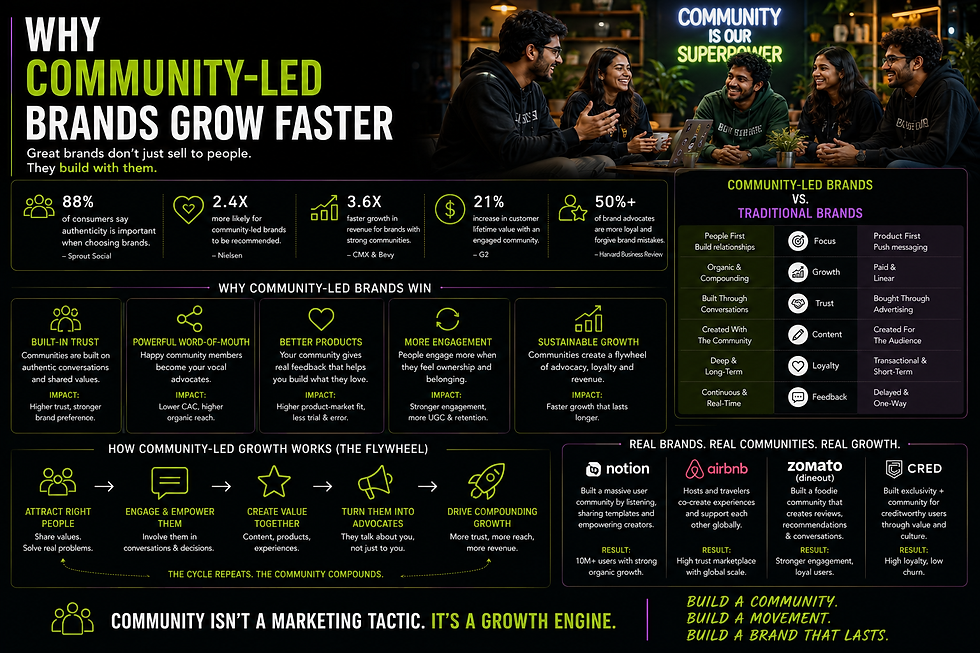
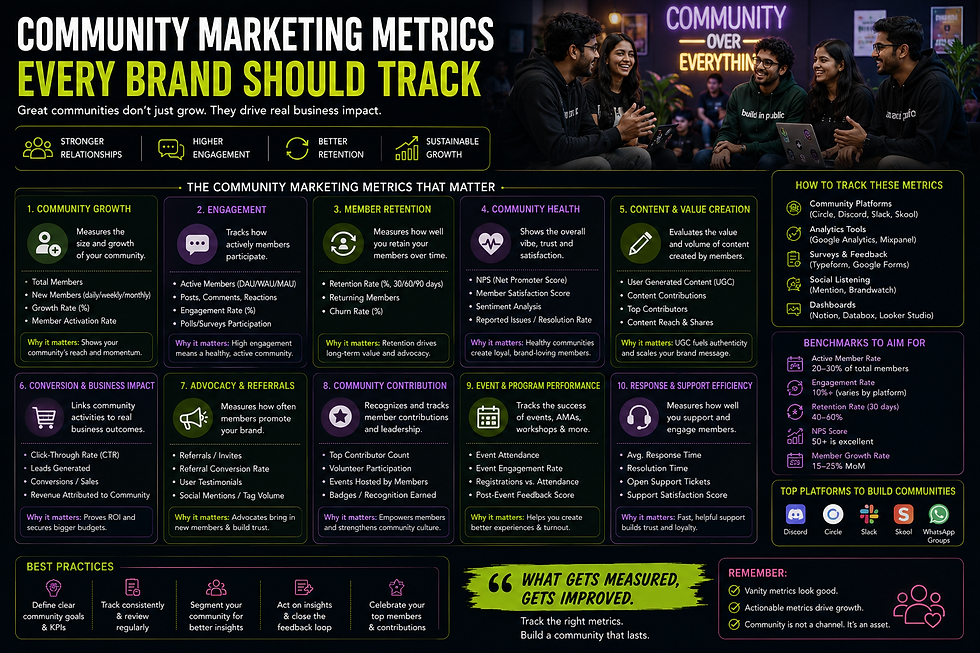
Young consumers increasingly seek belonging and identity through communities centered around shared interests, passions, and values. These communities influence behavior, recommendations, purchasing decisions, and cultural conversations.
Brands that successfully contribute to communities often develop stronger relationships than those relying solely on advertising.
At House of Havoc (HOH), we help brands connect with youth audiences through creator ecosystems, community building, experiential campaigns, and culturally relevant storytelling. As a growth-focused digital marketing agency and social media marketing agency, we focus on helping brands become part of conversations rather than interruptions.
Because youth marketing is not really about age.
It's about culture.
And the brands that succeed will be the ones that listen carefully, participate authentically, and create genuine value for the communities they hope to serve.
That's how lasting relationships are built.
And that's how future brand loyalty is created.
Comments